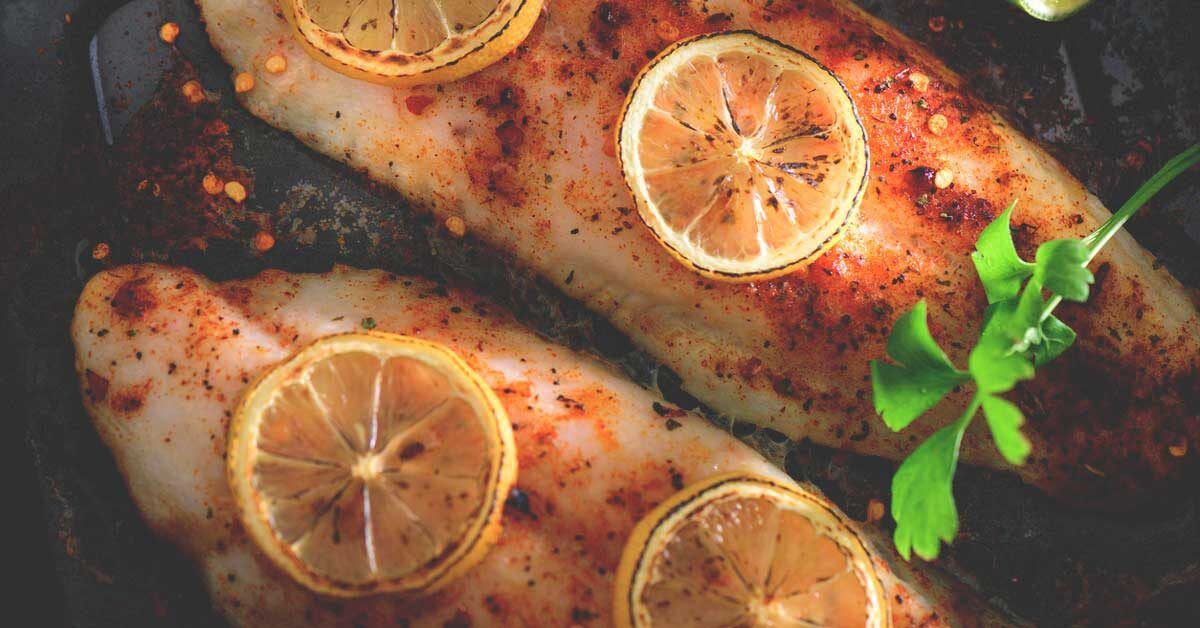
Is Swai Fish Safe? Unpacking the Health Concerns of This Affordable Fillet
In the quest for affordable and healthy protein, many consumers turn to fish. While salmon might be hailed as a superfood, its price tag often sends shoppers searching for more budget-friendly alternatives. This is where swai fish enters the picture, often gracing grocery store freezers with its appealingly low cost and mild flavor. But beneath its unassuming price point and flaky texture lies a complex narrative of health concerns, raising questions about whether this popular fillet is truly safe for your dinner table.
Scientifically known as Pangasianodon hypophthalmus, swai fish is a river-farmed catfish native to the mighty Mekong River in Southeast Asia, particularly Vietnam. Despite its biological classification, you won't find it labeled as "catfish" in U.S. markets. Its appeal is undeniable: a neutral taste that easily absorbs other flavors, a delicate texture, and a protein-rich profile, all at a cost that can be as low as $2 per pound. This makes it an attractive option for those looking to incorporate more fish into their diet without breaking the bank. However, a growing body of research and consumer unease suggests that the financial savings might come at a potential health cost, primarily due to inconsistent quality and questionable farming practices.
Unpacking the Health Concerns: Why Some Experts Say "No" to Swai Fish
While swai fish offers certain nutritional benefits, its common farming methods present significant drawbacks that have led many health organizations and experts to advise caution or even avoidance. The core of the problem lies in the prevalent aquaculture practices in its primary source countries.
Lack of Rigorous Oversight and Regulation
A staggering 90% of seafood consumed in the U.S. is imported, with a substantial portion originating from countries like Vietnam and China. These nations often operate with less stringent oversight and regulation compared to the robust standards imposed on domestic fisheries in the United States. This regulatory disparity means that imported fish products, including swai, may not undergo the same level of scrutiny, leading to concerns about their overall cleanliness and safety.
The Perils of Intensive Fish Farming
Aquaculture, or fish farming, often involves raising fish in confined or caged areas. While efficient, these dense environments are highly susceptible to infections and disease outbreaks. To combat these issues, farmers frequently resort to various interventions that can have unintended consequences for human health and food safety. Studies have consistently indicated that farmed fish, across various species, can be less healthy nutritionally than their wild-caught counterparts, partly due to their diet and living conditions.
Antibiotic and Drug Residues
Perhaps one of the most alarming concerns related to farmed swai fish is the widespread use of antibiotics and other veterinary drugs during breeding. Research conducted on fish farms in Vietnam revealed that almost two-thirds of surveyed farms utilized antibiotics on their fish. Disturbingly, some of these included antibiotics that are explicitly prohibited for use in farm fishing for any reason. These drugs, while intended to prevent disease, can leave residues in the fish tissues that consumers eventually ingest. The implications extend beyond direct consumption, contributing to the broader global problem of antibiotic resistance, which poses a significant threat to human health.
Dioxins and Polychlorinated Biphenyls (PCBs)
The diet fed to farmed swai fish is another critical area of concern. These fish are often nourished with unhealthy diets that include fish by-products. Such feed can be a vector for environmental toxins like dioxins and polychlorinated biphenyls (PCBs). These are persistent organic pollutants known to accumulate in fatty tissues over time. When swai fish consume contaminated feed, these toxins can build up in their own tissues, potentially being passed on to consumers. Dioxins and PCBs are linked to various adverse health effects, including reproductive and developmental problems, immune system damage, interference with hormones, and even cancer. Moreover, these chemicals and the antibiotics used in farming don't just stay within the fish; they can also contaminate nearby waterways, impacting local ecosystems.
Mercury Levels: A Persistent Threat
While swai fish generally contain lower mercury levels than some larger, longer-lived predatory fish, evidence of mercury has been found in samples. Crucially, some research indicates that mercury concentrations in certain swai samples may exceed established safety limits. Mercury is a neurotoxin that can be particularly harmful to pregnant women, young children, and individuals with compromised immune systems, affecting brain development and neurological function.
International Warnings and Avoidance Recommendations
The concerns surrounding swai fish safety are not limited to academic studies. The European Parliament has publicly raised safety concerns, leading to various retail chains across Europe banning its sale. In the United States, a highly respected authority on sustainable seafood, the Monterey Bay Aquarium Seafood Watch program, has specifically recommended that consumers avoid swai fish altogether. These strong recommendations from reputable bodies underscore the seriousness of the potential risks.
Navigating Your Choices: How to Buy Safer Swai Fish
For consumers who still wish to enjoy swai fish, or for those seeking to make more informed choices about their seafood, understanding how to identify safer options is crucial. While the ideal solution might be to avoid swai due to the pervasive issues, certain certifications aim to mitigate the risks.
- Look for Trusted Certifications: The most important step you can take is to seek out labels that signify adherence to higher standards. Programs like Best Aquaculture Practices (BAP) and SSC Farmed Pangasius provide certifications that ensure safer food production practices, responsible environmental management, and improved social welfare for farm workers. These certifications mean the fish has been raised under stricter conditions regarding feed quality, antibiotic use, and waste management. While certified swai might cost a bit more, it’s a small price to pay for greater peace of mind regarding your health. For a deeper dive into these certifications, you can read our guide: Buying Swai Fish Safely: Your Guide to Certifications and Healthy Choices.
- Purchase from Reputable Stores: Buying from established grocery stores in the United States often means they have their own vendor screening processes, which can add an extra layer of quality control, even if not explicitly certified.
- Ensure Thorough Cooking: Regardless of sourcing, always cook swai fish fully to the recommended internal temperature. This practice is essential for any seafood to eliminate potential bacteria or parasites and ensure it is safe for consumption.
Healthier Alternatives to Swai Fish
If the health concerns surrounding swai fish outweigh its affordability for you, rest assured there are numerous delicious and healthy alternatives that won't necessarily break your budget. The goal is to incorporate high-quality, protein-rich fish into your diet, and many options achieve this without the associated risks of poorly farmed swai. Consider these choices:
- U.S. Farmed Catfish: Unlike its Vietnamese counterpart, U.S. farmed channel catfish is subject to stringent domestic regulations and oversight, making it a much safer and more sustainable choice. It shares a similar mild flavor and flaky texture with swai.
- Tilapia (Responsibly Sourced): While tilapia can also face farming concerns, selecting U.S. farmed or certified tilapia (e.g., BAP certified) offers a healthier, mild-flavored option.
- Cod and Pollock: These white fish are widely available, typically affordable, and excellent sources of lean protein. They have a mild flavor that can adapt to various recipes. Alaskan Pollock, in particular, is often lauded for its sustainable fishing practices.
- Sardines and Mackerel: Don't let their small size fool you. These often-overlooked fish are nutritional powerhouses, packed with omega-3 fatty acids, vitamin D, and calcium. Being smaller and lower on the food chain, they also typically have much lower mercury levels than larger fish. They are incredibly affordable, especially canned, and versatile.
- Trout: Farmed trout in the U.S. is generally considered a sustainable and healthy choice, offering a richer flavor than swai but still very palatable.
Choosing these alternatives allows you to enjoy the health benefits of fish without the potential dangers. For more insights into how a low price might come with unexpected health costs in seafood, delve into Swai Fish: Why Its Low Price May Come With Unexpected Health Costs.
Conclusion
The journey to understand whether swai fish is safe to eat reveals a complex picture. While its affordability and mild taste make it an attractive option, the prevalent farming practices in its primary source regions raise significant health concerns regarding antibiotics, toxins like dioxins and PCBs, and mercury levels, compounded by a lack of rigorous oversight. International bodies and seafood watchdogs have voiced strong cautions, advising consumers to be wary or avoid it altogether. Ultimately, an informed consumer is an empowered consumer. By understanding the risks, prioritizing certified products when choosing swai, or opting for healthier, sustainably sourced alternatives, you can ensure that your pursuit of affordable protein doesn't compromise your health and well-being.
