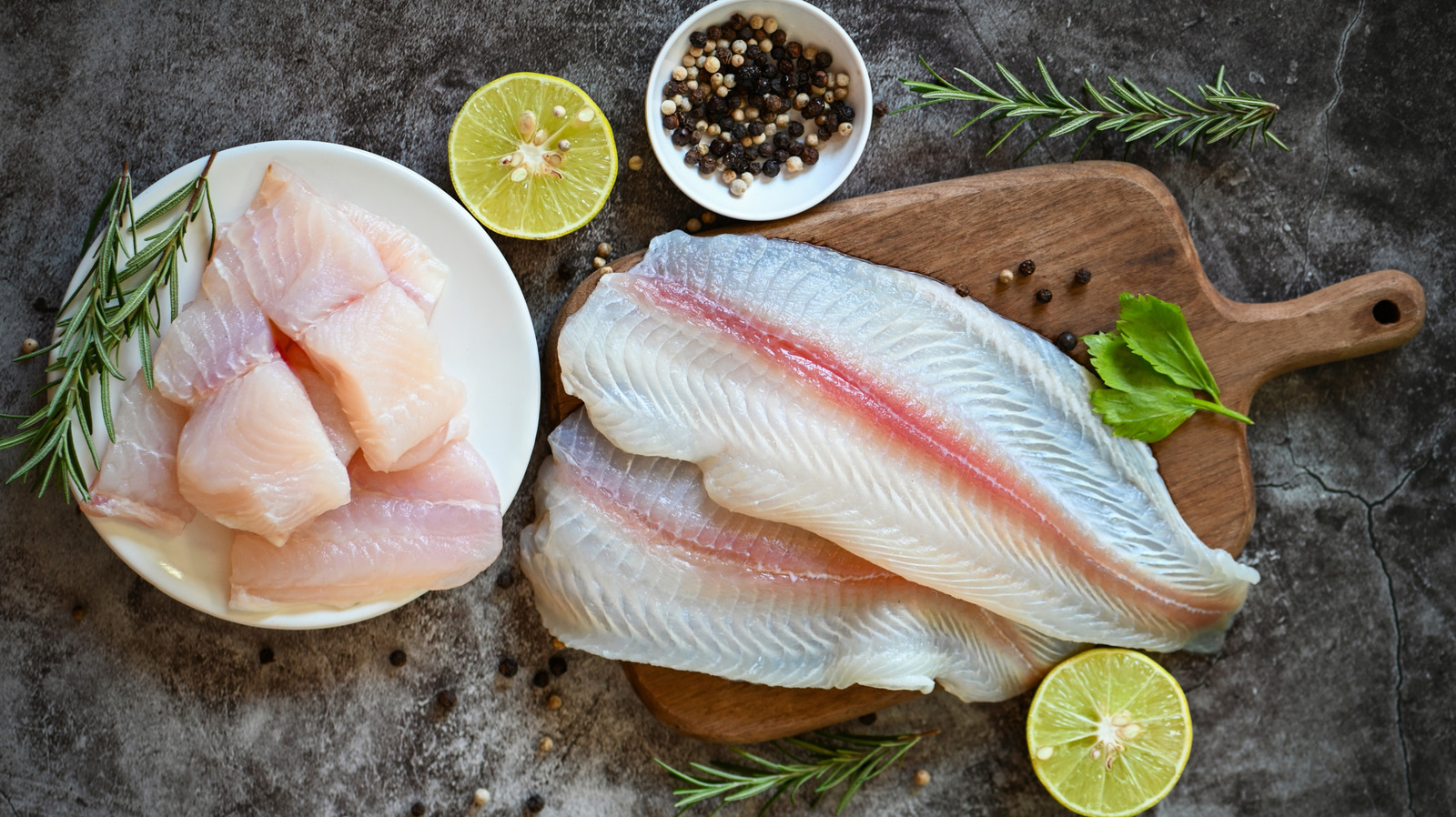
Swai fish, often lauded for its mild flavor, flaky texture, and remarkably affordable price point, has become a staple in many households looking to incorporate more fish into their diet without breaking the bank. Scientifically known as Pangasianodon hypophthalmus, this river-farmed catfish originates from the Mekong River in Southeast Asia. Despite its growing popularity, the journey of swai fish from farm to plate is fraught with potential health and safety concerns that savvy consumers need to understand. Navigating these complexities means making informed choices, primarily by recognizing the power of reputable certifications.
For those seeking budget-friendly protein, swai fish can seem like a dream come true. While other healthy fish options like salmon can command prices upwards of $25 per pound, swai often sells for as little as $2 per pound. This economic advantage, combined with a taste that readily adapts to various culinary styles, makes it an attractive alternative. However, this affordability often masks a darker reality concerning its farming practices and the impact on both human health and the environment. Concerns surrounding uneven quality and questionable farming methods have led many to question whether swai fish is truly a healthy choice.
The Allure and Alarm of Swai Fish: A Deep Dive into its Origins and Challenges
The story of swai fish is one of both opportunity and caution. As a high-protein option, it aligns with dietary recommendations to increase fish consumption. Yet, its journey to American tables, predominantly from aquaculture operations in countries like Vietnam and China, introduces a host of challenges. Unlike domestically sourced seafood, fish from these regions often operates under less rigorous oversight and regulation. This regulatory gap is a significant reason why some consumers and experts regard certain imported fish, including swai, with skepticism regarding their cleanliness and safety.
Aquaculture, the farming of fish, is a vital industry that helps meet global seafood demand. However, when poorly managed, it can lead to significant problems. Fish farms, particularly those with high densities of fish in confined or caged areas, are susceptible to infections. To combat these, some operations resort to practices that raise serious human health and food safety concerns. Studies have consistently indicated that farmed fish, when compared to their wild-caught counterparts, can sometimes be less healthy due to their diet and environment.
Unpacking the Health Concerns: Why Vigilance is Key When Buying Swai Fish
The potential drawbacks of swai fish extend beyond just general farming practices. Specific contaminants and poor feeding methods have been identified:
- Mercury Levels: While swai fish generally contains lower mercury levels than some other seafood, research has shown that certain samples can exceed established limits. This variability makes it difficult for consumers to gauge the safety of any given fillet without clear information.
- Antibiotics and Prohibited Drugs: Disturbingly, traces of antibiotics and other drugs used during breeding have been identified in swai fish samples. A study focusing on Vietnamese fish farmers revealed that a significant proportion used antibiotics, including some explicitly prohibited for farm fishing. These substances can remain in fish tissues, posing a potential risk to human health and contributing to antibiotic resistance.
- Unhealthy Diets and Toxins: Many farmed swai fish are fed diets that include fish by-products. This practice can introduce harmful substances such as dioxins and polychlorinated biphenyls (PCBs) into the fish's system. These persistent organic pollutants are known to accumulate in animal tissues and can have adverse health effects on humans. Furthermore, the chemicals and antibiotics used on farms can contaminate nearby waterways, impacting ecosystems.
These revelations have not gone unnoticed by global health and environmental watchdogs. The European Parliament has previously expressed safety concerns, leading to retail chains across Europe banning the sale of swai fish. In the United States, the respected Monterey Bay Aquarium Seafood Watch program advises consumers to avoid swai fish, citing the environmental and health issues associated with its production. While swai offers a budget-friendly option, it's crucial to understand that its low price may come with unexpected health costs, as explored in Swai Fish: Why Its Low Price May Come With Unexpected Health Costs.
Your Roadmap to Buying Safe Swai Fish: The Power of Certifications
Given the array of concerns, how can consumers make safe and healthy choices when purchasing swai fish? The answer lies in seeking out specific certifications and understanding what they represent. These labels act as your assurance that the fish has been produced under stringent standards designed to protect both the consumer and the environment.
The Importance of Trusted Certifications
When you're navigating the seafood aisle, look for labels from trusted third-party certification programs. These programs provide a critical layer of oversight that often surpasses the baseline regulatory requirements in many originating countries. The two most prominent and reliable certifications for swai fish (Pangasius) are:
- Best Aquaculture Practices (BAP): Administered by the Global Aquaculture Alliance, BAP is one of the world's most comprehensive third-party aquaculture certification programs. BAP certification covers the entire aquaculture production chain, including feed mills, hatcheries, farms, and processing plants. It addresses critical areas such as environmental responsibility, social accountability, food safety, and animal health and welfare. A BAP-certified swai fillet indicates that it has been farmed and processed under strict guidelines aimed at minimizing environmental impact and ensuring product safety.
- SSC Farmed Pangasius (Sustainable Shrimp and Catfish): This certification specifically focuses on Pangasius (swai) and shrimp farming. It ensures that farms meet robust standards for sustainable production, including responsible use of antibiotics, water quality management, and social welfare for farm workers.
When you see these logos on swai fish packaging, you can have greater confidence in the product's safety and the integrity of its production. These certifications are not merely marketing ploys; they represent independent audits and adherence to measurable standards that prioritize consumer health and ecological sustainability. For a deeper dive into the health concerns associated with this affordable fillet, read our article Is Swai Fish Safe? Unpacking the Health Concerns of This Affordable Fillet.
Additional Tips for a Safe Purchase
Beyond certifications, there are other practical steps you can take:
- Purchase from Reputable Retailers: Buy swai fish from well-established grocery stores and seafood markets in the United States. These retailers often have their own internal vetting processes for suppliers and are more likely to source from certified or reputable producers. Ask your fishmonger about the origin and farming practices if the information isn't readily available on the packaging.
- Check for Origin Information: While not a certification, knowing the country of origin can sometimes provide additional context, though certifications remain the strongest indicator of safe practices.
- Inspect the Fish: Fresh or frozen swai fillets should look clean, free from discolouration, and have no strong, unpleasant odor. For frozen fish, ensure the packaging is intact and there are no signs of freezer burn.
- Always Cook Thoroughly: Regardless of its origin or certification, all fish, especially farmed varieties, should be cooked to an internal temperature of 145°F (63°C) to eliminate any potential pathogens and ensure it's safe for consumption.
Informed Choices: Balancing Affordability and Health in Your Diet
The appeal of swai fish is undeniable, particularly for those on a budget seeking to maintain a protein-rich diet. The goal isn't necessarily to ban swai from your table, but rather to transform your purchasing habits into a conscious act of consumerism. By understanding the potential risks and equipping yourself with the knowledge of reliable certifications, you empower yourself to make healthier choices without necessarily sacrificing affordability.
While salmon and sardines offer higher omega-3 fatty acid content, swai still provides a significant protein boost. The key is to seek out swai that has been farmed responsibly, ensuring that the health benefits outweigh any potential drawbacks. This mindful approach allows you to enjoy the mild taste and versatility of swai fish while minimizing your exposure to harmful contaminants and supporting more sustainable aquaculture practices globally.
In conclusion, while swai fish offers an attractive and economical path to increasing your fish consumption, its journey from farm to plate can be complex. The potential for unsafe farming practices, including the use of prohibited antibiotics and unhealthy feed, necessitates a vigilant approach from consumers. By actively seeking out swai fish certified by trusted programs like Best Aquaculture Practices (BAP) or SSC Farmed Pangasius, purchasing from reputable retailers, and ensuring proper cooking, you can confidently make healthy and safe choices that align with both your budget and your well-being. Your power as a consumer lies in demanding transparency and supporting certified, responsible aquaculture.
